

You’ve geared up, scouted your spot, and finally, the animal you’ve been tracking appears. Your heart is racing—a phenomenon hunters call “buck fever.” This is the moment everything leads up to. But being a hunter comes with a heavy responsibility: the commitment to a quick, clean, and ethical harvest. Don’t forget to take a slow and steady breathe, calm yourself, and slowly squeeze the trigger just like you’ve been practicing at the range.
In this final part of our “What’s Next” series, we cover the ethics of the shot and the work that begins once the hunt is over.
1. The Ethical Shot: Know Your “No-Go”
As a beginner, your goal isn’t just to “hit” the animal; it’s to ensure it doesn’t suffer.
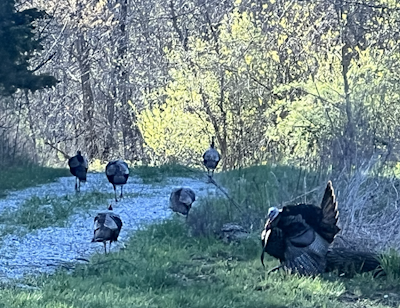
- The Vital Zone: For most big game (like deer), the target is the heart and lungs, located just behind the front shoulder. A shot here is the most effective and humane. For a turkey, it depends on the weapon being used. If you have a shotgun, go for the head and neck. If you have a bow/crossbow, target the vital organs right where the bottom of the wing attaches to the body.
- Wait for the “Broadside”: Never shoot an animal that is facing you directly or walking away. Wait for it to stand “broadside” (side-on) or “quartering away.” This provides the clearest path to the vitals.
- Know Your Range: If you practiced at the range at 50 yards, do not take a 100-yard shot in the woods. Respect the animal enough to only take shots you are 100% confident in.
2. The Wait (The Most Important 30 Minutes)
After you take the shot, the instinct is to run over immediately. Don’t.
- Even with a perfect shot, an animal’s adrenaline can carry it a short distance. If you chase it immediately, you might “bump” it, causing it to run much further.
- Sit down, take a deep breath, and wait at least 20–30 minutes. Listen for crashing or a final “struggle.” Note exactly where the animal was standing when you shot.
3. Tracking and Recovery
- Check for Sign: Look for the “blood trail.” The color and consistency can tell you a lot about the hit.
- Mark Your Progress: If the trail is faint, use biodegradable flagging tape or digital pins on your app to mark the last spot you saw blood.
- Slow and Steady: Move quietly while tracking. Sometimes the animal is just over the next ridge.
4. The Work Begins: Field Dressing
Once you’ve recovered the animal, the clock starts. You need to cool the meat down as quickly as possible to ensure it’s safe to eat.
- Tag It First: Before you touch your knife, attach your tag/permit as required by law.
- Take Your Time: Field dressing (removing the internal organs) is a skill. If it’s your first time, have a YouTube video saved for offline viewing or, better yet, have a mentor guide you.
- Keep it Clean: Use your gloves and try to keep the interior of the chest cavity free of dirt and hair.
The Hunter’s Code: Every hunter feels a mix of emotions after a successful hunt—joy, relief, and often a deep sense of somber respect for the animal. This is normal. Honoring that animal by utilizing as much of the meat as possible is the highest form of respect you can show.
Welcome to the club. There is so much more to share about so many topics. We are happy to keep providing what has worked or not worked for us out in the field.
We look forward to engaging, sharing stories, and determining what you’d like to hear more on. Feel free to engage via email or any form of social media we’ve started.