
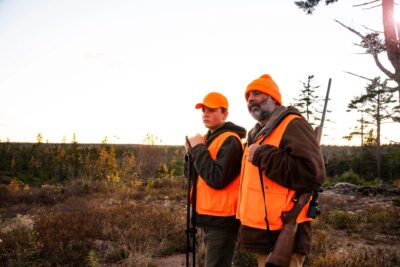

First, each state may be a bit different, so we recommend checking the latest details, processes, rules and regulations for your hunting state.
Second, getting your hunting license in Kentucky is a rite of passage, but the process has a few specific steps—especially when it comes to the safety requirements. If you were born on or after January 1, 1975, Kentucky law requires you to carry a hunter education card in addition to your license.
Here is your step-by-step guide to getting field-ready in the Bluegrass State.
Step 1: Complete Your Hunter Education Course
Kentucky offers two main ways to complete the classroom portion of your safety training. You must be at least 9 years old to take the course.
- Option A: The Hybrid Path (Most Popular) Complete the “knowledge” portion online at your own pace. There are several state-approved providers (like Hunter-Ed or HECourse). Once you pass the online exam, you’ll receive a Range Day Voucher. (At least one of us completed this way, it was relatively straight forward and had good information.)
- Option B: The In-Person PathAttend a traditional, instructor-led classroom session. These are often held at local sportsmen’s clubs or community centers and typically last 1-2 days.
Step 2: Attend a Mandatory “Range Day”
If you chose the online path, you must attend an in-person Range Day to finalize your certification. You cannot buy a permanent license without this.
What to Expect at Range Day:
- Safety Instruction: Instructors will review firearm handling, tree stand safety, and zone-of-fire awareness.
- Live-Fire Exercise: You will demonstrate that you can safely handle and fire a weapon.
- The Equipment: Don’t worry about gear—the Kentucky Department of Fish & Wildlife Resources (KDFWR) typically provides the firearms and ammunition for this session at no cost.
- Final Certification: Once you successfully complete the range activities, you’ll be issued your orange Hunter Education Card. This card is good for life and is recognized in all 50 states.
Pro Tip: Range Days fill up fast, especially right before deer season. Check the KDFWR Event Calendar early to reserve your spot.
Step 3: Choose and Purchase Your License
Once you have your safety card, you can head to the Kentucky Fish and Wildlife Online Store or visit a local vendor (like a bait shop, Academy Sports, or Walmart).
Common License Types:
| License Type | Resident Fee (approx.) | Non-Resident Fee (approx.) |
| Annual Hunting | $27.00 | $160.00 |
| Youth (Ages 12-15) | $6.00 | $10.00 |
| 1-Day Hunting | $7.00 | $25.00 |
| Sportsman’s Card* | $95.00 | N/A |
| *The Sportsman’s Card is a great deal for residents; it includes your annual hunting and fishing licenses, plus permits for deer, turkey, and trout. |
Step 4: Add Necessary Permits (Tags)
A general hunting license allows you to hunt small game (like squirrels or rabbits). However, if you are after “big game,” you need additional permits:
- Deer Permits: Needed for both statewide and quota hunts.
- Turkey Permits: Separate permits for Spring and Fall seasons.
- Migratory Bird/Waterfowl: Requires a state permit and, for those 16+, a Federal Duck Stamp.
If you know you will be hunting more than one species, we’d recommend exploring the Sportsman’s Card annually as we’ve found it’s the best deal.
Short on Time? The Exemption Permit
If the season is starting tomorrow and you haven’t finished your course, Kentucky offers a one-time, one-year Hunter Education Exemption Permit. This allows you to hunt for one year without a safety card, provided you are accompanied by a licensed adult who is hunter-education certified.
Bonus Notes
Always check the KDFWR website and double-checking the exact season dates once they are officially released.
Your Range Day “Go-Bag” Checklist
Range Day is the final hurdle before you can hit the woods. Because most of the day is spent outdoors and involves active safety drills, you’ll want to be prepared.
1. The Essentials (Don’t leave home without these!)
- Your Range Day Voucher: If you took the course online, you must bring a printed or digital copy of your completion voucher. No voucher usually means no entry.
- Photo ID: Have your driver’s license or state ID ready for check-in.
- Eye and Ear Protection: While many Kentucky ranges provide these, they can be “well-loved.” Bringing your own pair of safety glasses and foam earplugs (or muffs) ensures a comfortable fit.
2. Proper Field Attire
- Closed-Toe Shoes: This is a safety requirement at every range. Boots or sturdy sneakers are best; sandals and flip-flops are strictly prohibited.
- Weather-Appropriate Layers: Range Day happens rain or shine. In Kentucky, that might mean 40°F in the morning and 70°F by noon. Dress in layers you can shed.
- A Hat: A simple baseball cap helps keep sun (and hot brass) away from your face.
3. Personal Comfort
- Water and Snacks: These sessions can last 2–6 hours. Most ranges are in rural areas without vending machines, so pack a lunch and plenty of water.
- A Camp Chair: You’ll be doing a mix of standing drills and sit-down instruction. A lightweight folding chair is a lifesaver during the briefing periods.
- Sunscreen and Bug Spray: You’ll be spending a lot of time in open fields or near wood lines.
Note: Do NOT bring your own firearms or ammunition. To ensure a controlled safety environment, the Kentucky Department of Fish & Wildlife provides all the equipment and ammo needed for the live-fire portion of the day.